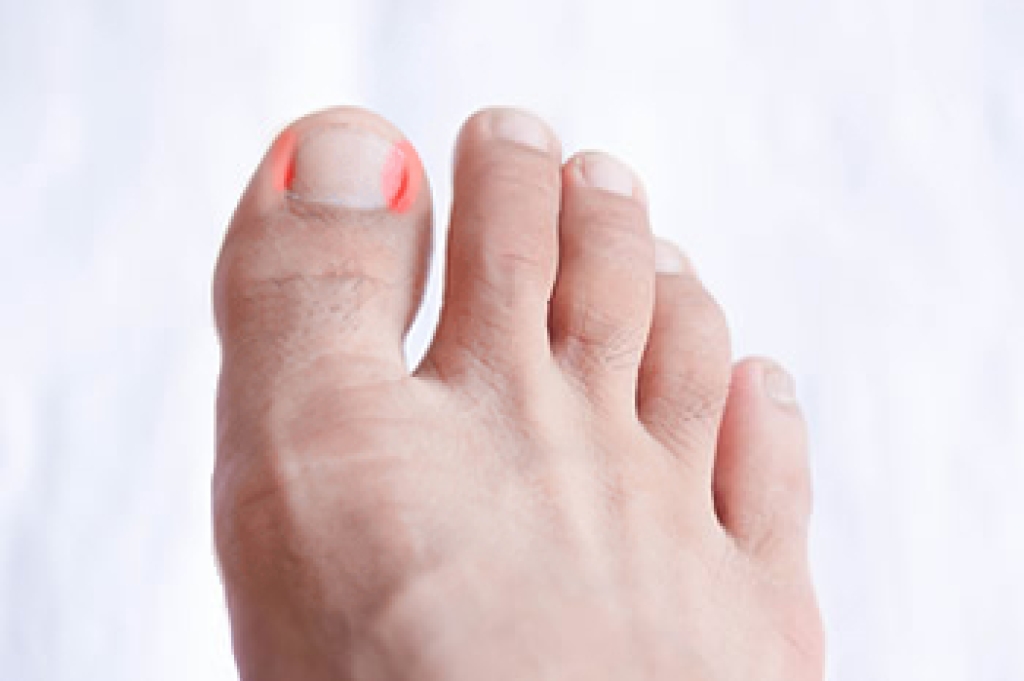
Are Ingrown Toenails Painful?

Patients who have had ingrown toenails are often familiar with the pain and discomfort that is often associated with them. It occurs as a result of the edge of the toenail growing into the surrounding skin. This can happen if shoes that are worn do not fit correctly, and the toes may be crammed together. Additionally, this condition may be caused by trimming the toenails in a rounded fashion instead of straight across. Common symptoms that many patients notice are pain around the edge of the toenail, redness, and swelling. Moderate relief can be found when the feet are soaked in warm water, as this will be beneficial in softening the affected area. If it becomes infected, it is strongly advised to seek the counsel of a podiatrist who can properly treat this ailment.

Ingrown toenails can become painful if they are not treated properly. For more information about ingrown toenails, contact one of our podiatrists of New York. Our doctors can provide the care you need to keep you pain-free and on your feet.

Ingrown Toenails

Ingrown toenails occur when a toenail grows sideways into the bed of the nail, causing pain, swelling, and possibly infection.

Causes

  • Bacterial infections
  • Improper nail cutting such as cutting it too short or not straight across
  • Trauma to the toe, such as stubbing, which causes the nail to grow back irregularly
  • Ill-fitting shoes that bunch the toes too close together
  • Genetic predisposition

Prevention

Wearing proper fitting shoes and using proper cutting techniques will also help decrease your risk of developing ingrown toenails.

Treatment

Ingrown toenails are a very treatable foot condition. In minor cases, soaking the affected area in salt or antibacterial soaps will not only help with the ingrown nail itself, but also help prevent any infections from occurring. In more severe cases, surgery is an option. In either case, speaking to your podiatrist about this condition will help you get a better understanding of specific treatment options that are right for you.

If you have any questions, please feel free to contact one of our offices located in Ozone Park, and Manhasset, NY . We offer the newest diagnostic and treatment technologies for all your foot care needs.

Read more about Ingrown Toenails

Are Ingrown Toenails Painful?

Patients who have had ingrown toenails are often familiar with the pain and discomfort that is often associated with them. It occurs as a result of the edge of the toenail growing into the surrounding skin. This can happen if shoes that are worn do not fit correctly, and the toes may be crammed together. Additionally, this condition may be caused by trimming the toenails in a rounded fashion instead of straight across. Common symptoms that many patients notice are pain around the edge of the toenail, redness, and swelling. Moderate relief can be found when the feet are soaked in warm water, as this will be beneficial in softening the affected area. If it becomes infected, it is strongly advised to seek the counsel of a podiatrist who can properly treat this ailment.

Ingrown toenails may initially present themselves as a minor discomfort, but they may progress into an infection in the skin without proper treatment. For more information about ingrown toenails, contact one of our podiatrists of New York. Our doctors can provide the care you need to keep you pain-free and on your feet.

Ingrown Toenails

Ingrown toenails are caused when the corner or side of a toenail grows into the soft flesh surrounding it. They often result in redness, swelling, pain, and in some cases, infection. This condition typically affects the big toe and may recur if it is not treated properly.

Causes

  • Improper toenail trimming
  • Genetics
  • Improper shoe fitting
  • Injury from pedicures or nail picking
  • Abnormal gait
  • Poor hygiene

You are more likely to develop an ingrown toenail if you are obese, have diabetes, arthritis, or have any fungal infection in your nails. Additionally, people who have foot or toe deformities are at a higher risk of developing an ingrown toenail.

Symptoms

Some symptoms of ingrown toenails are redness, swelling, and pain. In rare cases, there may be a yellowish drainage coming from the nail.

Treatment

Ignoring an ingrown toenail can have serious complications. Infections of the nail border can progress to a deeper soft-tissue infection, which can then turn into a bone infection. You should always speak with your podiatrist if you suspect you have an ingrown toenail, especially if you have diabetes or poor circulation.

If you have any questions, please feel free to contact one of our offices located in Ozone Park, and Manhasset, NY . We offer the newest diagnostic and treatment technologies for all your foot care needs.

Read more about Ingrown Toenail Care

Children and Walking Barefoot While Indoors

Many parents understand the importance of having their toddlers walk barefoot while indoors. This is helpful in strengthening the toes and the top of the feet as they grasp the floor. Additionally, it can promote balance, coordination, and good posture. Research has shown that many babies are born with flat feet, and the arch will generally develop as they are in their teenage years. When children start to walk outside, it is beneficial to have their feet properly measured, and this is helpful in determining the correct size shoe. When the first shoes are purchased, it is important to ensure there is adequate room for the toes to move freely in.  If you notice your child walks with their feet pointed inward or outward, it is suggested that you schedule a consultation with a podiatrist who can properly monitor any foot condition.

The health of a child’s feet is vital to their overall well-being. If you have any questions regarding foot health, contact one of our podiatrists of New York. Our doctors can provide the care you need to keep you pain-free and on your feet.

Tips for Keeping Children's Feet Healthy

  • Make sure their shoes fit properly
  • Look for any signs of in-toeing or out-toeing
  • Check to see if they have Clubfoot (condition that affects your child’s foot and ankle, twisting the heel and toes inward) which is one of the most common nonmajor birth defects.
  • Lightly cover your baby’s feet (Tight covers may keep your baby from moving their feet freely, and could prevent normal development)
  • Allow your toddler to go shoeless (Shoes can be restricting for a young child’s foot)
  • Cut toenails straight across to avoid ingrown toenails
  • Keep your child’s foot clean and dry
  • Cover cuts and scrapes. Wash any scratches with soap and water and cover them with a bandage until they’ve healed.

If you have any questions, please feel free to contact one of our offices located in Ozone Park, and Manhasset, NY . We offer the newest diagnostic and treatment technologies for all your foot care needs.

Read more about How to Care for Your Child's Feet

Why Does Gout Develop?

The pain and discomfort that often accompanies the medical condition that is known as gout can be described as severe and intense. It is considered to be a form of arthritis, and typically affects the joints surrounding the big toe. It is generally caused by elevated uric acid levels in the blood, and can develop from eating foods that have high purine levels. These types of food can consist of shellfish, red meat, and sugary drinks. Additionally, genetic factors may play a significant role in developing gout. Mild relief may be found when joint pain is controlled, and this may be accomplished by taking an anti-inflammatory medication. Painful gout attacks may be avoided when a healthy food plan is implemented. This can also include limiting alcoholic beverages and losing excess weight. If you suffer from gout, it is strongly suggested that you consult with a podiatrist who can help you to manage this condition.

Gout is a foot condition that requires certain treatment and care. If you are seeking treatment, contact one of our podiatrists from New York. Our doctors will treat your foot and ankle needs.

What Is Gout?

Gout is a type of arthritis caused by a buildup of uric acid in the bloodstream. It often develops in the foot, especially the big toe area, although it can manifest in other parts of the body as well. Gout can make walking and standing very painful and is especially common in diabetics and the obese.

People typically get gout because of a poor diet. Genetic predisposition is also a factor. The children of parents who have had gout frequently have a chance of developing it themselves.

Gout can easily be identified by redness and inflammation of the big toe and the surrounding areas of the foot. Other symptoms include extreme fatigue, joint pain, and running high fevers. Sometimes corticosteroid drugs can be prescribed to treat gout, but the best way to combat this disease is to get more exercise and eat a better diet.

If you have any questions, please feel free to contact one of our offices located in Ozone Park, and Manhasset, NY . We offer the newest diagnostic and treatment technologies for all your foot care needs.

Read more about Everything You Need to Know About Gout

Possible Causes of Athlete’s Foot

The medical term for athlete’s foot is known as tinea pedis. It is a condition that affects the feet, and is caused by a fungus. Many patients notice symptoms of this condition between the toes and on the bottom of the feet, which often include severe itchiness and a burning sensation. The fungus of this contagious ailment lives and thrives in warm and moist environments. These can include public swimming pools, shower room floors, and surrounding areas. To avoid getting this uncomfortable condition, it is important to wear appropriate shoes while in these areas. Additionally, it is beneficial to wear clean shoes and socks, and it will also help to keep the toenails trimmed. Relief may be found while using an antifungal spray on the affected areas. For more severe cases, it is suggested that you speak to a podiatrist who can offer proper treatment options, which may include medication.

Athlete’s foot is an inconvenient condition that can be easily reduced with the proper treatment. If you have any concerns about your feet and ankles, contact one of our podiatrists from New York.  Our doctors will treat your foot and ankle needs.

Athlete’s Foot: The Sole Story

Athlete's foot, also known as tinea pedis, can be an extremely contagious foot infection. It is commonly contracted in public changing areas and bathrooms, dormitory style living quarters, around locker rooms and public swimming pools, or anywhere your feet often come into contact with other people.

Solutions to Combat Athlete’s Foot

  • Hydrate your feet by using lotion
  • Exfoliate
  • Buff off nails
  • Use of anti-fungal products
  • Examine your feet and visit your doctor if any suspicious blisters or cuts develop

Athlete’s foot can cause many irritating symptoms such as dry and flaking skin, itching, and redness. Some more severe symptoms can include bleeding and cracked skin, intense itching and burning, and even pain when walking. In the worst cases, Athlete’s foot can cause blistering as well. Speak to your podiatrist for a better understanding of the different causes of Athlete’s foot, as well as help in determining which treatment options are best for you.

If you have any questions please feel free to contact one of our offices located in Ozone Park, and Manhasset, NY . We offer the newest diagnostic and treatment technologies for all your foot and ankle needs.

Read more about How to Deal with Athlete's Foot

Connect With Us

Advanced Podiatric Procedures & Services in the Queens County, NY: Ozone Park (Forrest Hills, Howard Beach, Jamaica, East New York, Hollis, Laurelton, Flushing, Elmhurst, Elmont, Bushwick, Williamsburg) and Nassau County, NY: Manhasset (Great Neck, Garden City, Mineola, Westbury, Roslyn, Jericho, Hempstead, Hicksville, Glen Cove, East Meadow) areas